

If the thought of a decking installation has ever crossed your mind, you’re in luck! Timber decking is a beautiful choice for so many reasons. Not only does it work as a luxury feature of your property, but also a practical one too if you have an uneven garden or need a level surface for a social event. So, what is so special about timber decking? Our buyer’s guide will explain the benefits of timber decking and available options.
Table of contents
- What is timber decking?
- How long does timber decking last?
- What is the best timber for outdoor decking?
- Hardwood decking
- Softwood decking
- How much is timber decking?
- Timber decking sizes
- What are the different timber decking types?
- Decking boards
- Decking tiles
- Maintenance
- Final thoughts
What is timber decking?
Simply put, timber decking is the same thing as wooden decking. It’s considered the traditional form of decking, used for decades by many home and commercial property owners until alternatives like composite decking hit the market in the mid to late 1990s. You can find out more about composite decking through our buyer’s guide.
Timber decking is still popular today. Whilst composite decking is a practical competitor, the look of real wood will always be heavily desirable amongst many other benefits:
- A classic appearance with a timeless, natural design.
- Often pressure treated to ensure long lifespans.
- Usually has a reversible design to enable easy and versatile installation.
- Can be painted to match your outdoor area design.
With timber decking, frequent maintenance is possible. However, this can be minimised by adding treatment or sealing to the decking to improve protection against the elements or pests.
How long does timber decking last?
Decking timber will typically last an average of 15 years. However, it can last longer if you clean and maintain it properly. The type of wood used also affects its lifespan. For example, hardwood will last longer than softwood because it is more durable, but is generally more expensive.
What is the best timber for outdoor decking?
Hardwood and softwood are popular choices for decking. Their pros and cons are summed up below:
Hardwood decking
| Pros | Cons |
| •Ash or oak wood for improved durability. •Highest quality wood for long-lasting decking. •Variety of customisation. •Natural design offers a beautiful authentic pattern. •The sturdy structure is rot-resistant, warp-resistant and flame resistant. | •Complex structure because the materials are short-term use. •Less cost-effective due to difficulty and complications with processing (slow-growing trees making for difficult obtainment of materials). •Difficult to install because of the solid material. |
Softwood decking
| Pros | Cons |
| •Spruce and pine are fast-growing trees meaning materials are easy to obtain. •Simple to work with. •Cost-effective. •Easy to clean. | •Requires treatment more often to prevent fungus and insects (including oiling or re-staining). •Shorter lifespan. •Not as durable as hardwood (can fade, crack, splinter or warp). |
Overall, hardwood decking is preferable because it does not need continuous treatment and resists the effects of harsh weather and wear for many years.
How much is timber decking?
For cost-effective solutions, choose softwood. If you have the budget for something higher cost, hardwood is your best bet. Either way, prices can vary because of the style. So, hardwood decking may cost less when in tile form and vice versa.
Here are some of the current prices of timber decking products we stock:
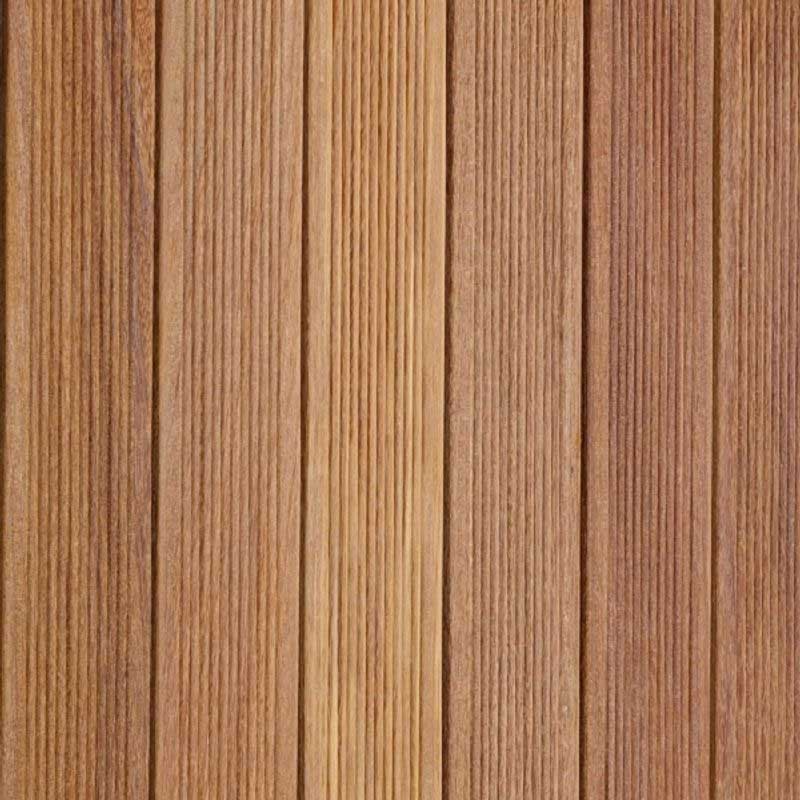
Wallbarn Ipe Hardwood Decking Tiles (500mm x 500mm x 300mm) – £36
- Made from sturdy Lapacho or Brazilian walnut
- Tight woodgrain appearance
- Resistant to mildew and rot
- Euroclass B fire-rating
- Water resistant
- Can last up to 25 years if well-maintained
- Nicknamed ‘ironwood’ because of its strength and durability
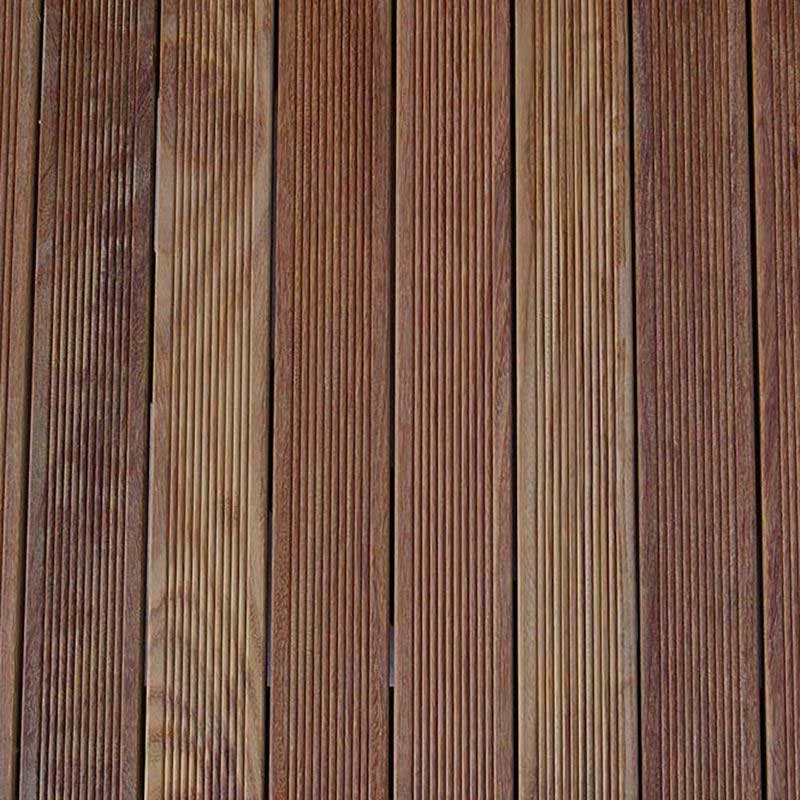
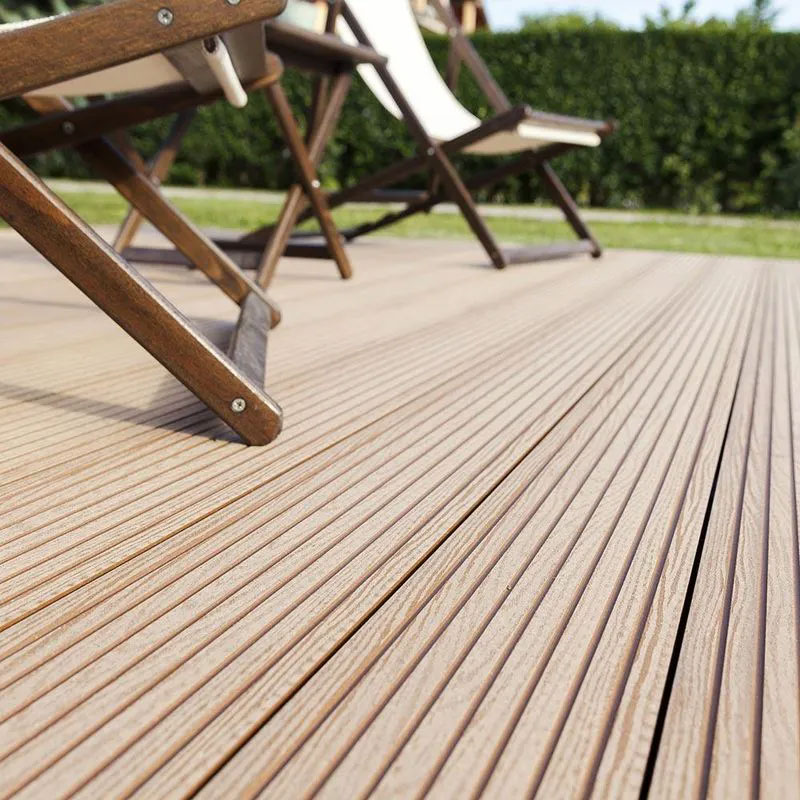
SUPER Essentials Softwood Reversible Grooved/Reeded Decking Boards – £10-£17.99
- Comes in 3600mm x 125mm x 32mm, 3600mm x 150mm x 32mm, 4800mm x 125mm x 32mm, and 4800mm x 150mm x 32mm sizes
- Cheaper than hardwood decking tiles
- Easy to install
- Reversible finish
- Can hold garden furniture
- Can be painted and/or stained
Timber decking sizes
The size of timber is not only referring to the length and width of the decking but also the thickness. Thicknesses can vary when it comes to decking timber sizes. So, finding the right ones for your outdoor space is vital. Decking sizes are generally listed as:
(length) x (width) x (thickness)
What are the different timber decking types?
Believe it or not, timber decking boards aren’t your only choice when installing decking. You can also find timber decking tiles as a unique alternative to the lengthy board design.
Decking boards
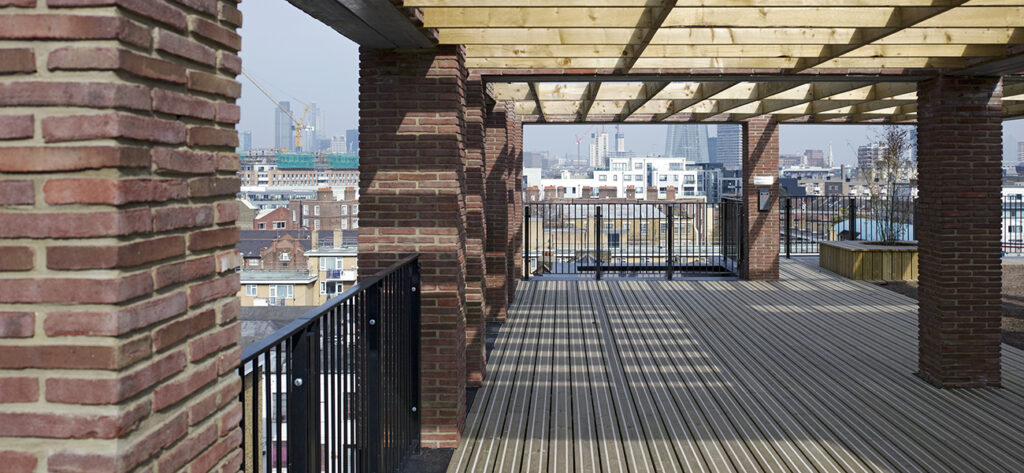
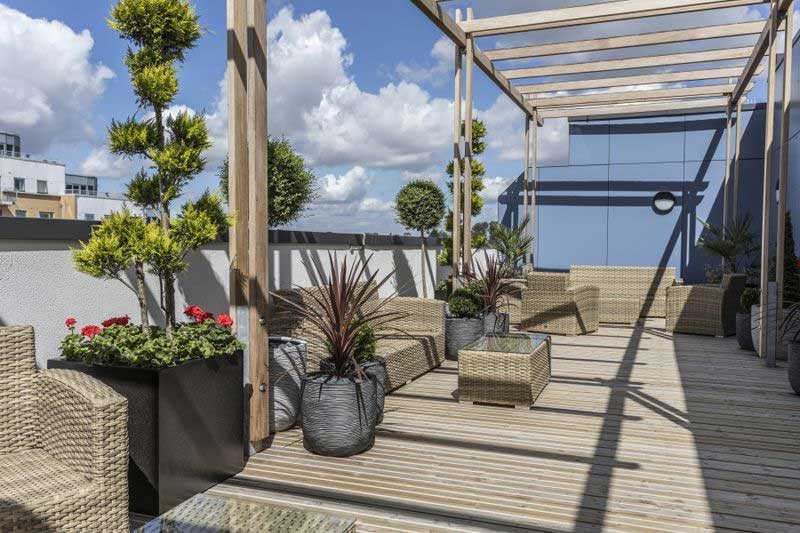
These are the classic, traditional decking planks. They come in a variety of different lengths and widths to suit the varying sizes of outdoor spaces, meaning they are especially ideal and cost-effective for larger projects. Decking boards are generally used to create raised decking as well.
Decking tiles
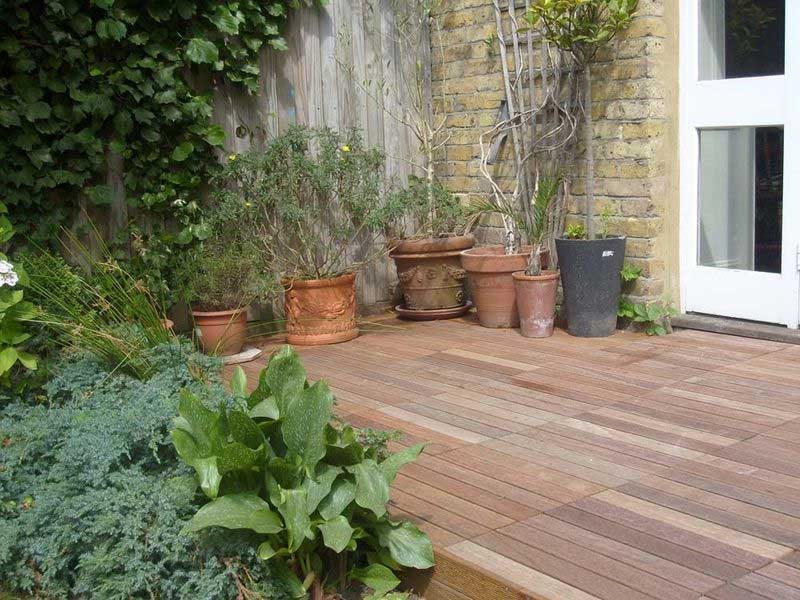
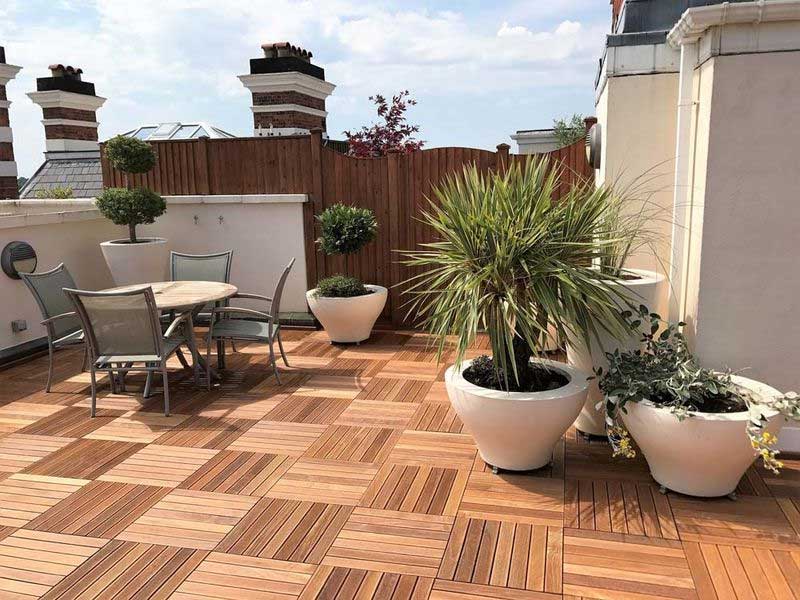
A modern alternative, decking tiles are easier to work with thanks to their size. This means they work well in smaller project spaces. Areas like balconies or paths, for example. Having said that, they can also be placed beneath plant pots in the garden or conservatory space to provide a level surface.
Additionally, thanks to their size, they can be used as a temporary surface in events, especially as they do not need to be secured to a base. You can use them at festivals, garden parties and even camping surfaces as they create a level surface perfect for dancefloors and garden furniture alike.
Is your garden sloped? Find out why using decking to level out a sloping garden is ideal for this sort of issue.
Maintenance
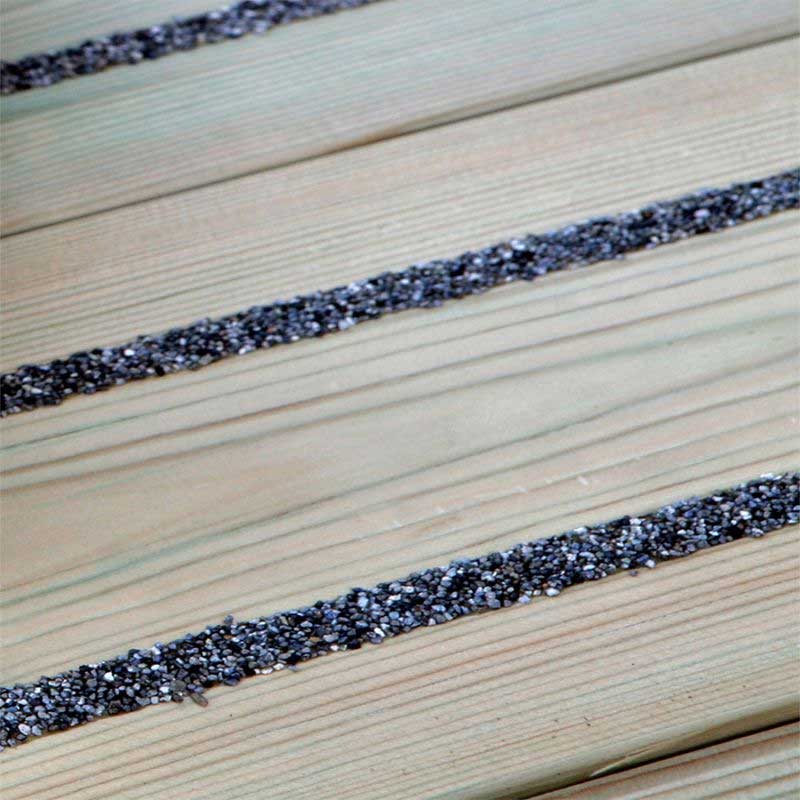
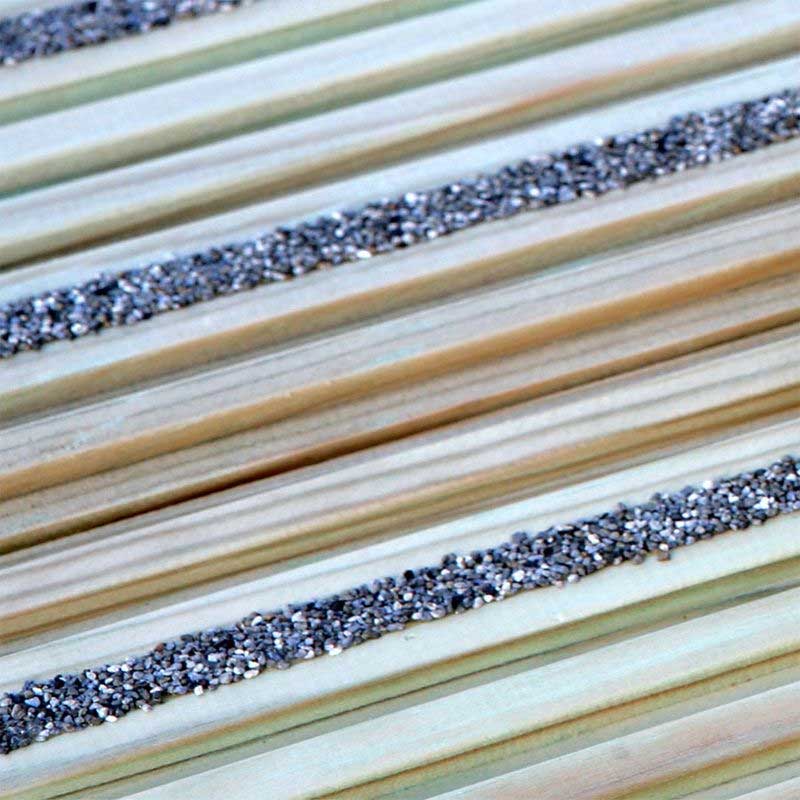
Once you’ve installed your timber decking, you need to maintain it properly to maximise its lifespan. This includes cleaning and treating the wood to prevent rot, mould, decay, and warping. Another major reason to keep on top of cleaning is to prevent slips, trips, and falls. A build-up of dirt on any wooden surface exposed to outdoor elements is also a breeding ground for moss, mildew and algae, which can be incredibly slippery. You can apply anti-slip coatings, but regular maintenance is still essential. So, how do you clean wooden decking? Follow this simple checklist:
- Sweep away any dirt or debris using a broom or dustpan and brush
- Use either soap or a wood-friendly or mild detergent mixed with warm water, and gently scrub the decking with a hard bristled brush. (This is especially effective for grooved decking)
- Use a small amount of washing up liquid mixed with warm water to get rid of any stains
- Use a hose or pressure washer on a low setting to disperse and rinse off the remaining dirt
- An optional step is using a leaf blower to dry the decking, but you can leave it to air dry, of course!
Final thoughts
To summarise, here are the pros and cons of each type of decking:
| Type of decking | Pros | Cons |
| Decking boards | •Traditional style decking. •Ideal for larger decking projects. •Long lifespan. •Can add value to a property. •Consistent design. | •Needs treatment before installation. •If untreated, at risk of rot and damp. •Less cost-effective. |
| Decking tiles | Easy to install. Easy to clean. Ideal for smaller decking projects (can be used as a temporary surface). •Can be easy to remove/replace. •Some tiles come with snap fit technology. •Can be installed over existing surfaces. •Typically available with anti-slip feature. | •Limited lifespan. •Regular maintenance needed. •Minimal consistency for design. |
If you’ve decided timber decking is not suitable for your space, we also supply composite decking. This may be a great alternative as it is easy to maintain and can be cheaper than real wood if you’re on a budget. If you have any questions, or would like a free quote, please give us a call on 01752 692 760 and we will be more than happy to help.