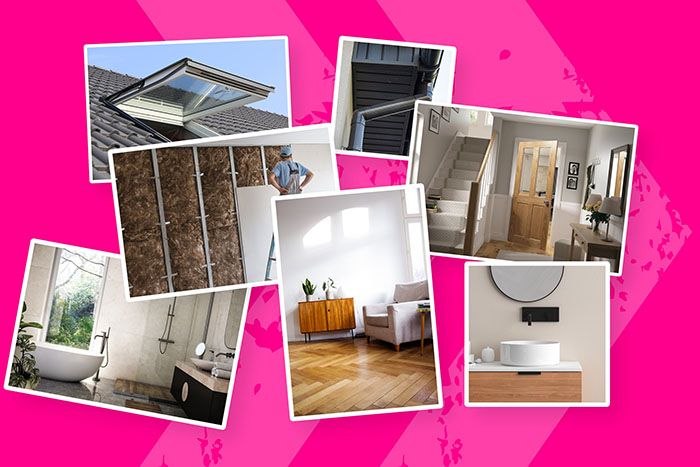


The focus on climate change and global warming is now more important than ever. It can be said that we all try our best to engage in environmentally friendly ways of living, and most of us are familiar with things like recycling, using reusable shopping bags, and cutting down on single-use plastics. It is now so easy to achieve sustainable living in our everyday habits, but did you know it can be just as simple, and even cost-effective, when it comes to renovating your home?
This guide will teach you eco friendly tips and tricks when it comes to upgrading and refurbishing your roof. Practising sustainability when choosing which type of roof or insulation you have not only enhances the comfort and style of your space but also contributes to small changes that can make a big difference for your house, the planet, and even your wallet.
Table of contents
- What is sustainable roofing?
- How can I sustainably renovate my house?
- Sustainable materials
- Final thoughts
What is sustainable roofing?
A sustainable roofing project involves adopting design practices and utilising materials that minimise environmental impact while improving the functionality and interior or exterior design of your property. This approach encompasses a range of strategies, from energy-efficient upgrades to recycled or recyclable materials and construction techniques.
From installing solar panels and energy-efficient appliances to choosing low-VOC paints and eco-friendly loft insulation, deciding to upgrade your roof in an environmentally conscious way contributes to a greener home and sustainable future.
How can I sustainably renovate my house?
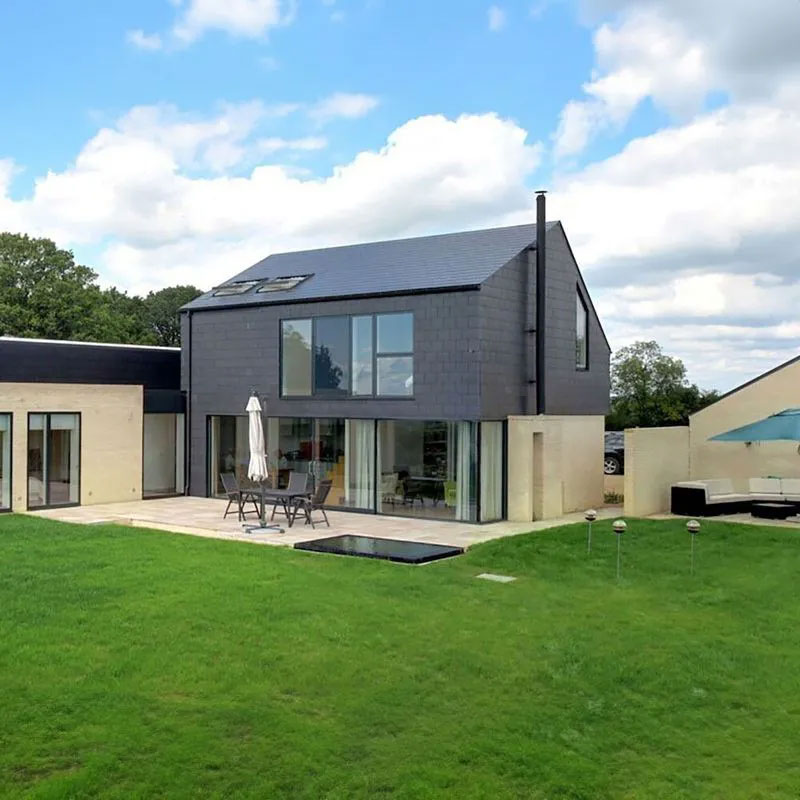
Starting your sustainable renovation journey involves making environmentally conscious choices throughout the process. Here are some key eco friendly house ideas to consider for your home:
Insulation
Proper insulation is essential for maintaining a comfortable indoor environment and reducing energy consumption. For enhanced energy efficiency throughout your home, insulating your roof or loft space is an excellent starting point.
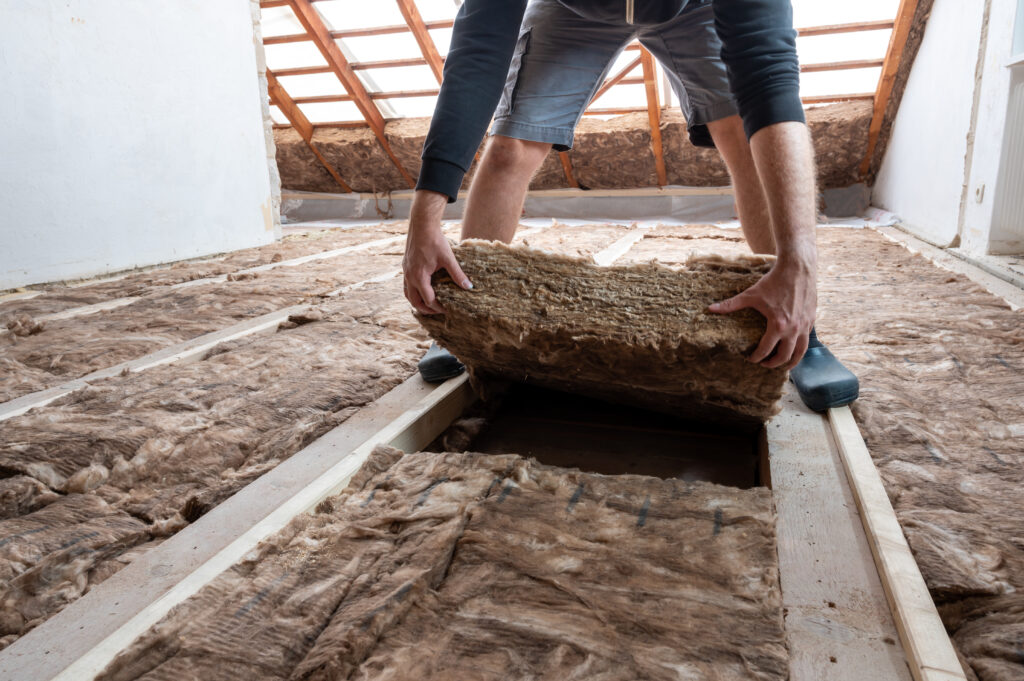
This is because you are directly preventing easy access points for cold air to come in, so just by installing the insulation and letting it do its job, the need for gas or electric heating systems is minimised significantly. Not only will this improve your carbon footprint, but it will also save you money in the long run. Another bonus is that it helps keep you cooler in the summer months, as it keeps warm air outside. This means you won’t need to rely on air conditioning units and electric fans, which would otherwise increase your energy consumption.
Of course, there are many different types of insulation made from different materials to choose from. But which are the most eco-conscious? Natural insulation, such as sheep’s wool and hemp, fit the brief perfectly here. This is because they are renewable, meaning they can easily be reproduced, unlike fossil fuels which will eventually run out completely. They are also biodegradable, so they break down naturally unlike some plastics which, if they aren’t recycled, end up going to landfill sites where they are left to pollute the planet.

Another sustainable option is using recycled materials such as cellulose, which is made from recycled paper. This kind of insulation is incredibly eco-friendly as it creates less demand for new products being mass-produced; reusing existing materials and continuing this cycle leads to less waste or discarded material ending up in landfill. All of these types of insulation still maintain excellent thermal performance.
Placement of your roof and loft insulation is crucial for retaining heat and reducing energy loss. For pitched roofs, consider installing insulation between and over the rafters or using insulation boards beneath the roof covering. In flat roofs, insulation can be installed above the ceiling or within the roof structure.
Roof Windows
Upgrading single-glazed windows to double or triple-glazing can significantly improve insulation and thermal performance. These windows feature multiple layers of glass with insulating gas-filled space between them, effectively reducing heat transfer and enhancing energy efficiency.

Additionally, selecting roof windows with low-emissivity (low-E) coatings further enhances their thermal properties, helping to keep your home comfortable year-round.
Choosing window frame options that conduct less heat or cold, such as wood or uPVC with thermal breaks, can further enhance insulation and overall energy efficiency. Remember, the lower the U-value, the better the energy efficiency.
For dark and dingy rooms that wouldn’t typically have access to natural light, sun tunnels offer a brilliant solution. These innovative devices capture sunlight from the roof and channel it into interior spaces. They not only enhance the aesthetic of your home but also reduce the need for artificial lighting during daylight hours, minimising electricity usage and lowering energy bills.

Solar panels
As a sustainable solution for your home that harnesses a renewable energy source, solar panels can provide effective yet clean power. Solar photovoltaic (PV) panels convert sunlight into electricity, reducing reliance on fossil fuels and lowering carbon emissions.
With advancements in technology and decreasing costs, solar energy has become an increasingly viable option for homeowners looking to reduce their environmental impact and energy bills. Not to mention, sunlight is free and renewable, so investing in solar panels not only offers long-term savings on energy bills but also provides a reliable and environmentally friendly source of power for your home.
Plus, they don’t need direct sunlight to work, so even on a cloudy day, solar panels can still generate electricity when installed on a wall or roof facing within 90° of the south.

Sustainable materials
Choosing sustainable materials for your roofing projects is a conscientious choice and a step towards creating a healthier living environment while promoting environmental responsibility. Let’s explore some eco-friendly options in more detail:
Low-VOC paints
Volatile organic compounds (VOCs) are harmful chemicals found in many traditional paints that can off-gas into the air, contributing to indoor air pollution and potential health issues. Opting for low-VOC paints reduces exposure to these toxins, improving indoor air quality and creating a healthier living space for you and your family.
FSC-certified or recycled timber
The Forest Stewardship Council (FSC) certification ensures that timber is sourced from responsibly managed forests, promoting sustainable forestry practices and biodiversity conservation.
Alternatively, using recycled timber helps to reduce demand for virgin wood and minimises deforestation, making it an eco-friendly choice for construction projects.

Hempcrete
Hempcrete is a bio-composite material made from hemp fibres and lime, offering excellent thermal insulation properties and carbon sequestration benefits.
Bamboo
Bamboo is a rapidly renewable resource that can be used for flooring, decking, and structural elements.

Sustainably harvested cork
Sustainably harvested cork is a renewable and biodegradable material commonly used for flooring, wall coverings, and insulation.
Green roofs
Transform your garden into a green space by installing a green roof system. Green roofs will provide additional insulation to optimise energy efficiency while protecting your roof membrane from the elements and reducing stormwater runoff. They also create a habitat for wildlife and improve air quality.
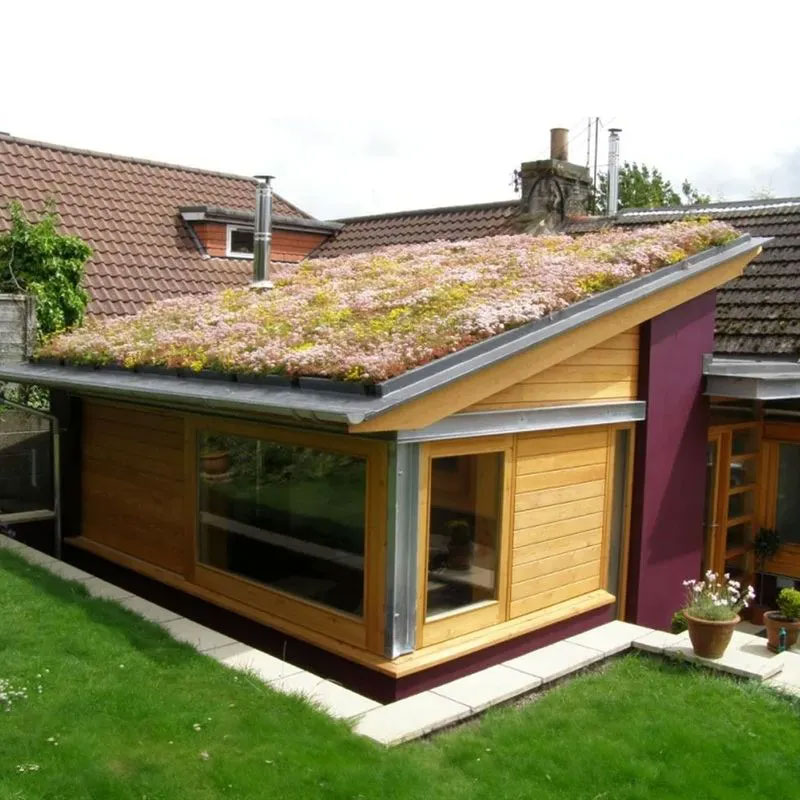
Additionally, consider planting an eco-friendly garden with native plants, wildflower beds and pollinator-friendly species, such as lavender, geraniums, and sunflowers, to support local ecosystems and promote biodiversity.
By helping local wildlife flourish, you can reduce your impact on the environment. You can also contribute to biodiversity by installing bird feeders, birdhouses, and bee hotels, providing essential habitats and food sources for native species. Encouraging pollinators like bees and butterflies helps to support ecosystem health and promote the reproduction of flowering plants.
Final thoughts
Embarking on a journey to create a sustainable and eco-friendly home is a rewarding endeavour that offers numerous benefits for both homeowners and the environment. By incorporating environmentally friendly practices and technologies into upgrading or installing your roof, you can reduce your environmental footprint, lower energy bills, and create greener and healthier living environments for yourself and future generations.
There are countless ways to make a positive impact on the environment while enhancing comfort and functionality at home. Together, let’s strive to create homes that are not only beautiful and comfortable but also environmentally responsible and resilient, leaving a lasting legacy of stewardship and sustainability.