

There are several different types of timber available for use in the construction industry within the UK. The most commonly used timbers are C16 timber and C24 timber, but what are they and which timber should you use?
Table of contents:
- What is C16 timber?
- What is C24 timber?
- What is CLS timber?
- What is regularised timber?
- What is carcassing timber?
- Should I use C16 or C24 timber?
What is C16 timber?
In the UK, professionals most commonly use C16 timber because of its versatility. They are able to use it in a wide range of applications, most commonly in internal construction projects such as walls, floor, and roof joists. It is also the most cost-effective form of timber available. C16 timber is kiln dried, to minimise the amount of moisture within the wood.
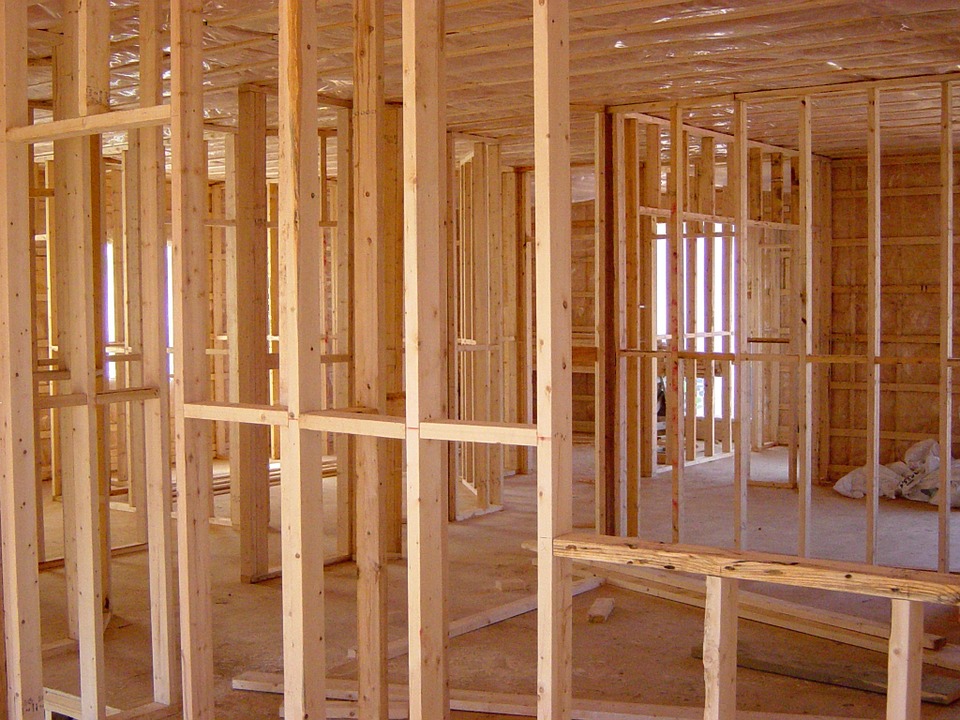
C16 timber is more cost-effective because it is slightly weaker than C24 timber. Grain deviations mean that its strength can be compromised, and it can have aesthetic defects such as sap stains and an uneven surface. However, it still has the durability that many construction projects require. This includes having resistance to pressure bending and compression, with moderate density. For these reasons, C16 timber is a versatile, all-purpose timber product.
What is C24 timber?
C24 timber also uses kiln-drying to minimise moisture content. Professionals in the UK use it in a variety of construction projects, although it is less common than C16 timber.
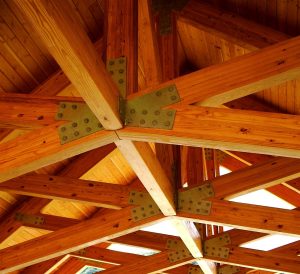 C24 timber is the more high-quality form of timber available and is obviously superior to C16 timber in both appearance and properties, but this is also reflected in the higher cost. C24 timber has few defects, both in characteristics and appearance, meaning that C24 timber is stronger and more resilient, whilst also having a more aesthetically pleasing appearance. However, C24 timber is often imported to achieve the required characteristics, further increasing the costs.
What is CLS timber?
CLS timber is Canadian Lumber Standard timber, the name of which derived from its popularity in Canada for building houses with timber frames. However, it has recently grown in popularity in the UK for timber frame houses, stud walls, partitions and frames. CLS timber is available in both C16 and C24 grades.
What is regularised timber?
Regularised timber is timber of any grade that manufacturers finish with a machine so that the pieces of timber are regular and consistent. It also means there are fewer variations between each batten.
What is carcassing timber?
Carcassing timber is softwood that manufacturers kiln-dry and treat. They then grade it using a grading stamp according to its quality and characteristics, such as C16 or C24 timber.
C16 and C24 timber – which should I choose?
Although made from the same wood, there are several differences between C16 and C24 timber. Both C16 and C24 timber will perform well in general construction projects, despite C24 timber being of a higher quality.
If you’re looking for the most cost-effective timber product available, to stay within budget or to save money wherever possible, C16 is the best product for you. C16 timber is generally made in the UK. This is more cost-effective, but made from poorer quality timber with some defects. However, it is still strong and resilient, making it useful for strength and load-bearing.
If you’re looking to keep the timber products unvarnished and visible within your project, you may prefer to opt for C24 timber – the C24 timber has a more uniform shape and is more aesthetically pleasing. Additionally, C24 timber is often available in wider formats, making the overall appearance more attractive than C16 timber.
For larger-scale projects, or where strength is crucial, such as balconies, terraces and bridges, the recommended timber product would be C24 timber, due to its superior physical qualities and strength.
Keep in mind that both types of timber are available in multiple sizes, so don’t forget to check out our dedicated C16 vs C24 size guide to find out more.