

23rd March 2026
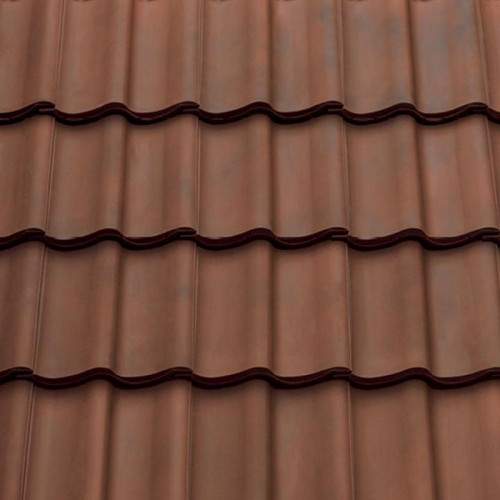
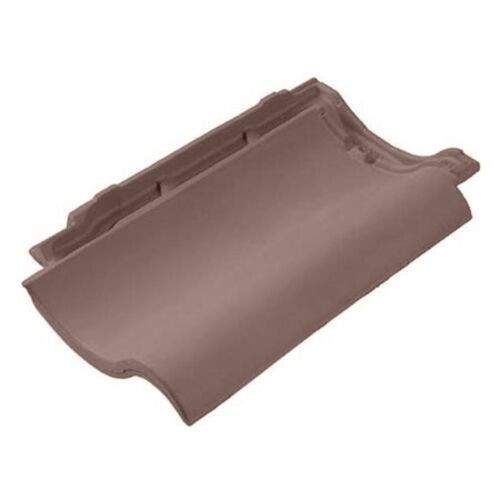
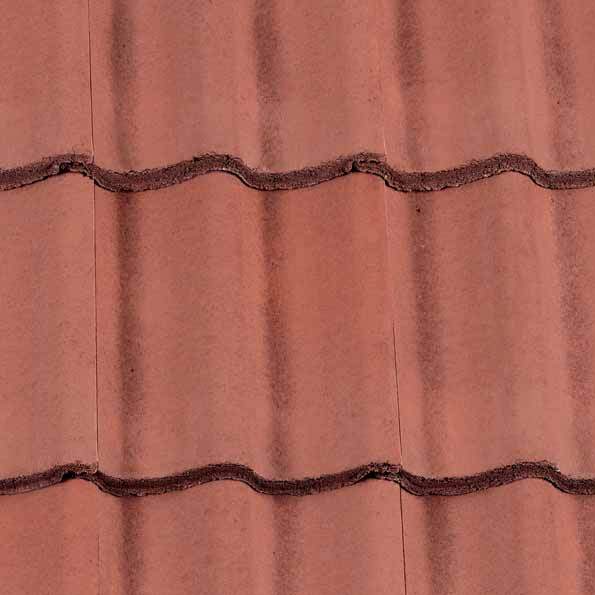
Pantile tiles originate from the Netherlands and have been a staple roof covering in the UK for over 500 years. They’re lightweight and have a distinctive ‘S’ shape to their design, giving them an aesthetic appeal.
There are five main types of pantiles to choose from, and while they were traditionally made of clay, many modern pantiles are now crafted from concrete. One thing you can guarantee about using pantiles is that they’ll continually add character to your property over time.
Table of contents:
- What are pantile roof tiles?
- Advantages of pantile tiles
- Types of pantile tiles
- Pantile roof construction
- Pantile roof vents
- Common issues
- Pantile roof maintenance
What are pantile roof tiles?
Pantiles are single-lap tiles, meaning the end of a tile only laps the course immediately below. They’re usually found in areas sheltered from the elements, or in regions that benefit from less severe weather.
Historically, pantiles were made from burnt clay using a similar method to that of creating a house brick. This has changed over time and now many pantiles are created from concrete. While it emulates the look of clay admirably, a direct comparison will typically show a colour difference between the two.
Available in rich tones and shades, pantiles are easily distinguishable. While the shade of the tile can vary, depending on where it’s made and which material is used, you’re guaranteed to add character to your property by using pantile roof tiles.
Advantages of pantile tiles
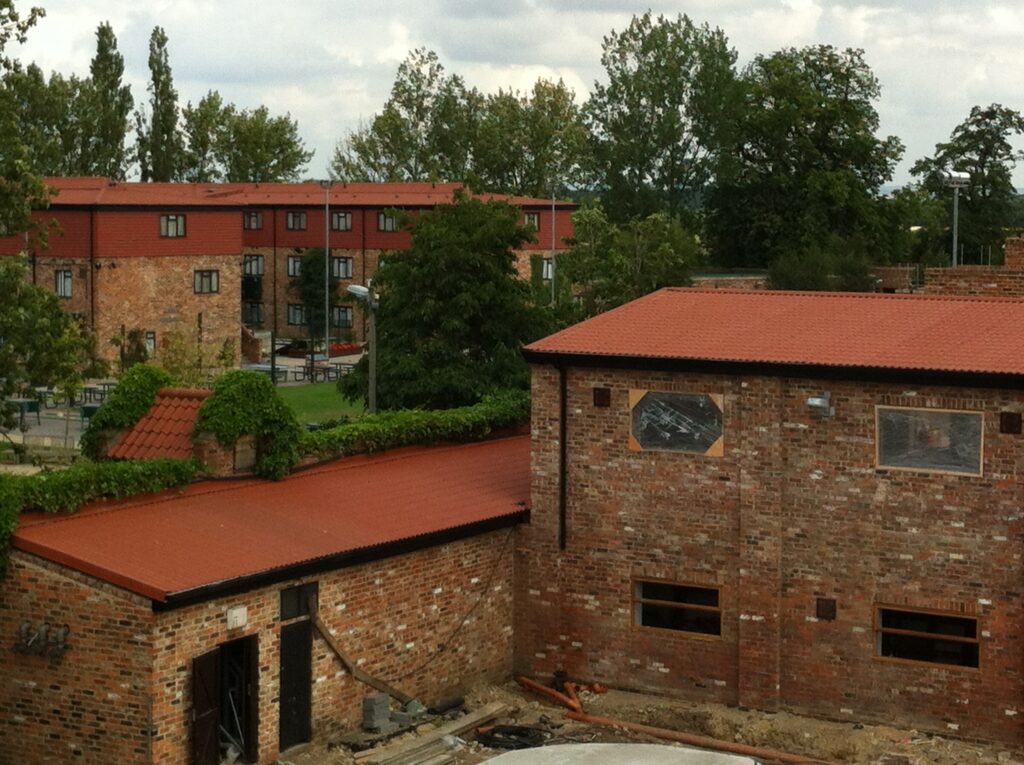
One of the main advantages of pantiles is they’re incredibly lightweight. They can be up to a third lighter than other tiles, which is beneficial for transport and installation.
Modern pantiles offer great versatility and work on low-pitch roofs, fitting structures with a pitch as low as 12.5°.
Their main appeal comes from the rustic appearance they create. Homeowners often choose pantiles for this look, and natural weathering over time adds even more character. To maintain this effect, we offer a weathered-effect replacement tile, allowing you to replace any loose or lifted tile with one that perfectly matches your property’s character.
Clay pantiles also resist fading and withstand prolonged exposure to UV rays and sunlight.
They also withstand extreme temperatures, making them an ideal choice for coastal properties and foreign retreats.
Types of pantile tiles
 Clay pantiles
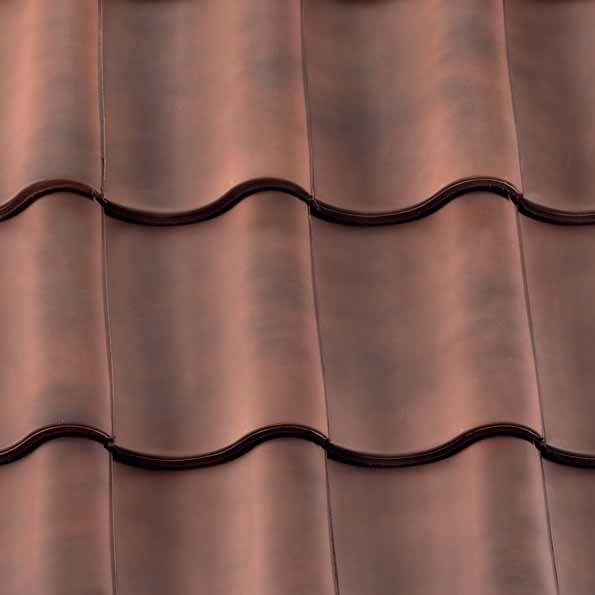
One of the most traditional tiles on the market, our clay pantiles are available in a smooth or weathered finish. The former is perfect for new builds, while the latter is a great option for patching and repairing existing roofs. With unique patterns and distinctive rolls and troughs, clay pantiles add outstanding charm and character to any building.
 Interlocking pantiles
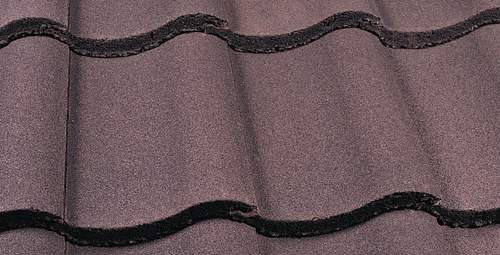
Interlocking pantiles save you time and reduce labour costs. Their interlocking design means they’re easier to install, and these particular tiles are suited to very low pitches. Available in a range of materials, featuring clay, concrete and metal, interlocking pantiles can be fitted to a roof with a minimum pitch of just 12.5°.
 Concrete pantiles
Featuring similar aesthetics to clay pantiles, but generally more budget-friendly, concrete pantiles have seen a surge in interest in recent times. However, it’s worth remembering that concrete roof tiles are generally much heavier than clay equivalents, and are much more prone to weathering.
Metal pantiles
Extremely lightweight, metal pantile tiles are available in easy-to-lay strips.
Double pantile tiles
Double pantile tiles give you all the benefits of a natural clay roof at a fraction of the cost. Thanks to the large format and innovative design of double pantile tiles, you’ll notice a reduction in the costs of both materials and labour.
Available in clay and concrete, you can choose from three permanent colours, to make sure you pick the right style for your property.
Pantile roof construction
Pantile roof vents
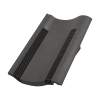
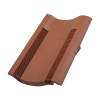
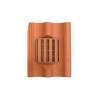
As pantile roof tiles remain a popular roof covering, we’re pleased to be able to offer a range of matching ventilation products. Available in clay, concrete and plastic, these vents and extraction products will fit seamlessly with your design to perfectly complement the style of your roof.
Our range of pantile roof vents features both single and double-width vents.
Common issues
The most common complaint with pantiles is loose or broken tiles. As with most tiles, they can break over time and become loose in strong winds but are usually easy to replace. A regular roof inspection should catch problems like growing moss, which you can be scrub away to increase the lifespan of the tiles. It’s best to use lime mortar (as opposed to the harder cement mortar) for repair work, as it’s breathable and flexible, so is easier to remove from tiles when carrying out necessary repairs.
The downside of using lime mortar is that you can experience failure of ‘parging’. This is when lime mortar, which has been used to ‘parge’ the underside of pantiles, fails. Typical signs of this tend to be loose tiles, draughts and potentially even water penetration. The good news is it’s relatively easy to fix; it simply requires a new lime mortar to be applied in order to replace the deteriorated sections.
While pantile roof tiles typically last for decades, movement in the roof structure can lead to wear and tear in the battens and roof fixings. If not diagnosed fairly swiftly, this can leave the roof susceptible to water penetration. If you’re unable to identify and fix the issue, it’s best to call in a roofing expert for a professional opinion.

Pantile roof maintenance
A well-maintained pantile roof should cause little in the way of trouble or disruption. It’s quite common for them to remain intact for decades, especially if you carry out frequent inspections. A bi-annual inspection gives you a chance to check for broken or cracked tiles, failure of parging and even moss growth. Moss can cause damp and speed up deterioration, so it’s worth catching it early and removing it quickly. Removing moss from roof tiles can be done easily with a scrubbing brush, and needn’t require the use of harsh chemicals.
You can keep on top of maintenance costs by reusing original pantiles wherever possible. This also helps to maintain the character of the building and eliminates the timely task of finding a replacement. Any new tiles must match the originals in size, colour and shape, so it’s worth salvaging as many authentic tiles as possible.
You must refit a clay pantile roof with clay pantile tiles as opposed to concrete replacements. Concrete tiles are often heavier and thicker than their clay counterparts, and the structure of a clay pantile roof wouldn’t be strong enough to support the extra weight. Additionally, while you can find concrete tiles in a similar colour, they don’t weather or age in the same manner as clay.
If you would like more information, you speak to a member of our team via live chat or by giving us a call using the number at the top of the page.
Was this guide useful?
Mentioned in this product guide: