

Plywood boards can be used for a range of roofing applications, including roof decking and rafters. Roof decking is the material that lies on top of the main roofing structure, and the underlayment and roof covering are applied on top.
Table of contents:
What is plywood?
Plywood is a building material made from layers of timber. ‘Ply’ is from the Latin ‘plicāre’, which means to fold, shape, or lay. So the word ‘plywood’ basically translates to ‘layers of wood’. There is a specialist way in which these layers are put together, so how is plywood made? High-quality timber is selected and lathed into thin pieces. These are then bonded together using an adhesive and pressed under high pressure to secure them. They are then trimmed to form plywood. Because of the layers and bonding process, plywood is extremely strong and durable.
Why is plywood used in roofing?
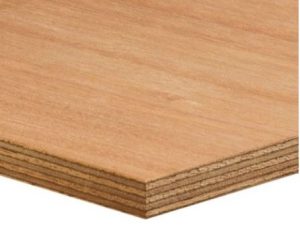 Plywood is very strong, which is why it is excellent for roofing. Although the roof structure takes the majority of the weight, plywood needs to be able to support the rest of the roofing system. It is formed from multiple layers of wood bonded together with glue, and the grains run in alternate directions through each layer, which ensures the board’s strength is evenly spread, makes the board resistant to shrinking or expansion and also reduces the likelihood of any splitting when nailed.
Plywood is often used in roofing because it performs well when exposed to moisture over long periods. When plywood gets wet, it swells evenly across the plywood sheet, and then when it dries out it goes back to the normal sizing. The drying-out period is relatively short, which means that it doesn’t affect the roofing. In comparison, OSB board tends to swell along the edges and takes a lot longer to dry out, which can leave visible ridges along the edges of the boards (unless it is marine-grade OSB which has been manufactured for use on boats).

What types of plywood are there?
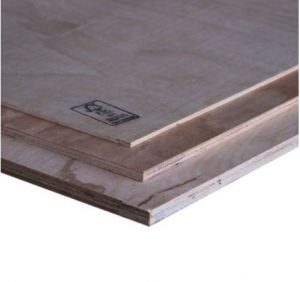
There are two types of plywood used in roofing construction – structural and general plywood. Structural plywood has proof of strength performance provided by the supplier. This indicates it has passed the building regulations to be used for structural use in a building. Normally, it is certified to EN636-2S or EN636-3 when used externally for roofing. General plywood does not have this proof of strength performance so should not be used for structural applications. Shuttering plywood is another type of plywood but it generally isn’t used in roofing. Instead, it is used to hold concrete whilst it sets.
Another type is marine plywood. However, this is only suitable for roofs that are likely to be exposed ongoing wet weather. This would include structures located by the coast or in humid climates. For more urban and rural buildings, structural or general plywood is your best bet.
Generally, plywood comes in 4 by 8-foot sheets – although other sizes are available – and in a variety of grades. Each side is rated A to D, with A being of the highest quality and with no imperfections or knots, which can potentially lead to weaknesses in the sheet, and D grade is generally unsanded plywood that can have defects and knotholes of up to 2.5 inches. A-grade plywood is the most costly but can be combined with D-grade plywood if the side graded D is on the underside. CDX is the most common form of plywood, with a C-grade side and a D-grade side, and the X stands for the glue that bonds the sheets together. Although not made of the highest quality sheets, it is often considered the strongest due to the glue used to seal it together.
Whether you’re looking for plywood, pitched roofing materials, flat roofing materials, or accessories, we’ve got everything you’ll need, and if you have any questions give our experts a call on 01752 692 760.