

Knowing which roofing sheets are the best for your project can seem confusing. Especially because there are so many types to choose from, including tile effect and box profile, and with materials spanning metal, PVC, and polycarbonate, it can be overwhleming. This guide carefully outlines the purpose of each profile and material, and which applications Roofing Superstore recommends for each one. Whether you’re covering a garage or an outbuilding, or constructing your own lean-to, we will ensure you have the right tools and knowledge to help with your DIY needs. The main point is this: All roofing sheets are easy to install and often provide a cost-effective roofing solution for external buildings.
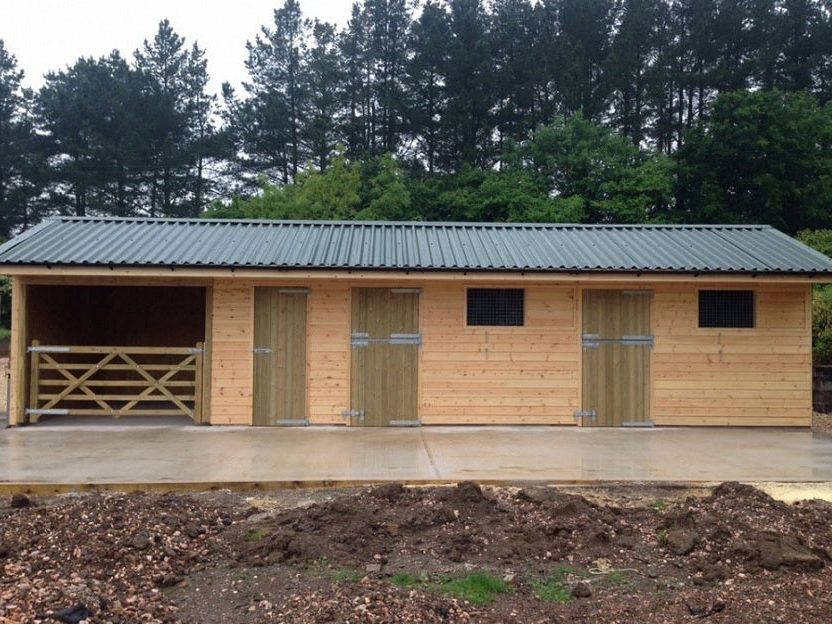
Table of contents
- Types of roofing sheet profiles
- Box profile
- Tile effect
- Corrugated
- Types of roofing sheet materials
- Bitumen
- Metal
- Polycarbonate
- PVC
- GRP
- Fibre cement
- Final thoughts
Types of roofing sheet profiles
The three most popular roof sheets are box profile, tile effect and corrugated. Each has its own pros and cons, and many people choose their roof sheet based on the pitch required, appearance and overall purpose of the completed building.
Box profile – best roofing sheets for industrial projects
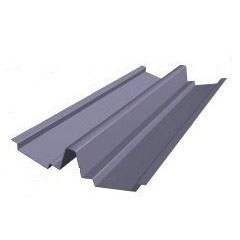
Box profile roofing sheets are one of the most durable and cost-effective. They offer a modern alternative to corrugated sheets, and you can fit them on a minimum pitch of only 4 degrees, much lower than the traditional corrugated. You can even install these versatile sheets as wall cladding, making them a great choice for industrial and commercial projects, alongside garages and sheds.
Key takeways:
- Durable and cost-effective
- Ideal for low-pitched roofs – minimum pitch is 4°
- Can be used as wall cladding
- Modern design
- Best for commercial and industrial projects
Tile effect – best roofing sheets for DIY garden buildings
If you’re aiming to mimic a more traditional roof, tile effect roof sheets are a great option. Typically crafted from metal, each sheet mimics real clay roof tiles, and combine the aesthetics of classic roofing with a lightweight alternative – perfect for garden buildings like playhouses and summer houses. The minimum pitch is slightly higher than box profile at 12 degrees, but installation is simple, making it great for DIY projects.
Key takeaways:
- Mimics traditional clay or concrete roofing
- Lightweight and easy to install
- Cost-effective
- Suitable for sheds, summer houses, and playhouses
- Minimum pitch is 12°
Corrugated – best roofing sheets for domestic projects
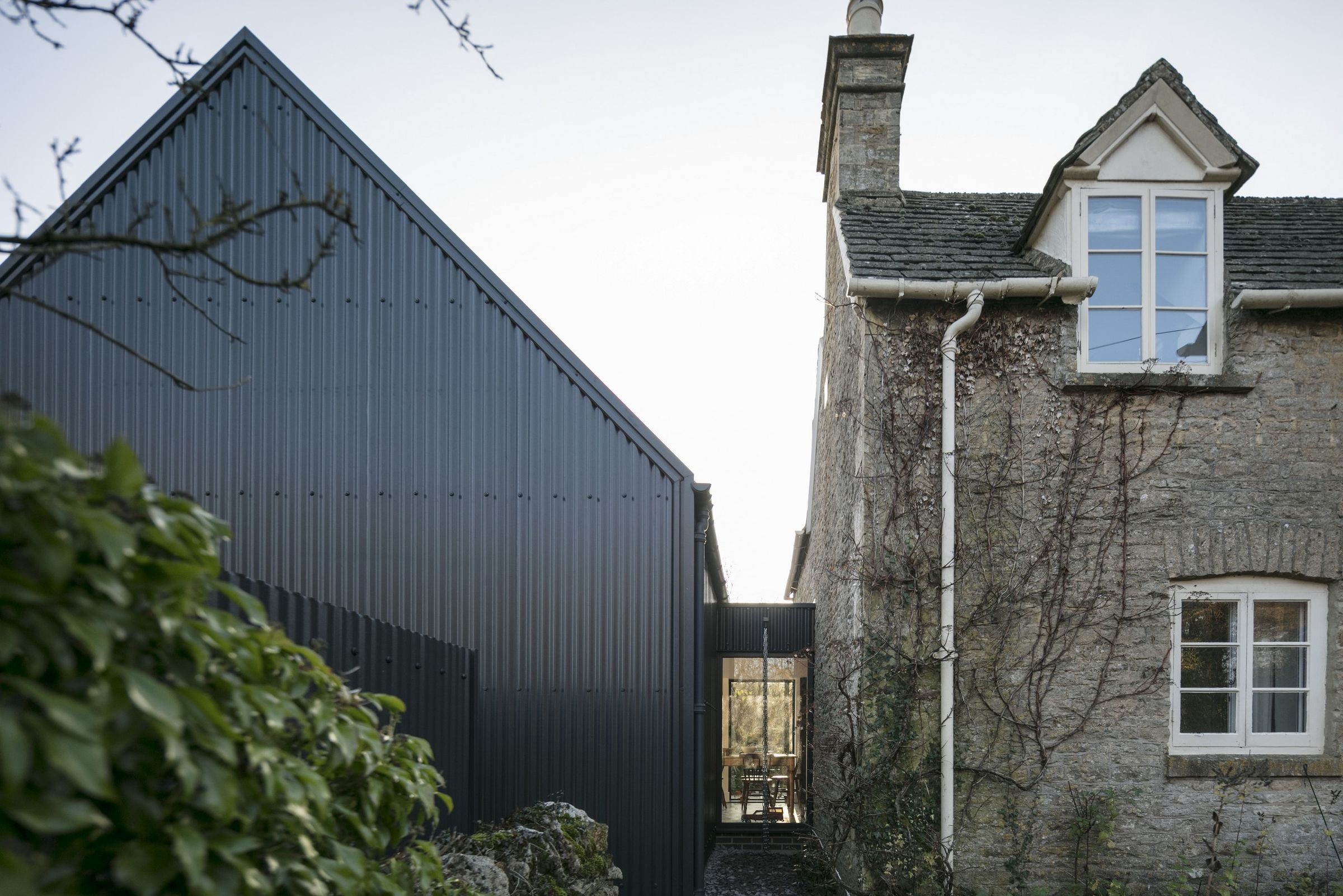
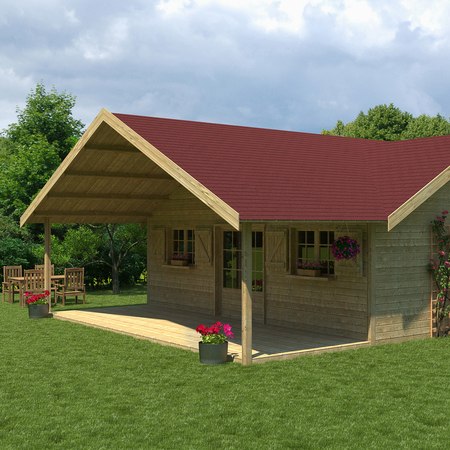
Corrugated roofing sheets have a ‘wavy structure’, making them perfect for use in agricultural and commercial structures. They are extremely durable and offer effective drainage support. Their peaked and troughed design means rainwater can be easily collected and directed to run off the roof into nearby gutters. This curved design also adds structural support, making it extremely resistant to harsh winds wear and tear over time. Corrugated roofing can be made from a variety of materials, including polycarbonate and PVC ideal for pergolas, or bitumen which is often used on agricultural buildings and carports. The minimum pitch for installation is 10 degrees.
Key takeaways
- Aids water runoff and drainage
- Extremely strong and durable
- Cost-effective
- Made from a variety of materials including bitumen, metal, fibre cement, PVC, and polycarbonate
- Ideal for a range of domestic projects
- Minimum pitch is 10°
Types of roofing sheet materials
Now you’re familiar with the benefits of roofing sheet profiles, you can get to grips with the type of material you need. These vary in terms of cost, durability, and lifespan, so it’s best to consider budget, location, and application when deciding on the right option for you.
Bitumen – best roofing sheets for outbuildings
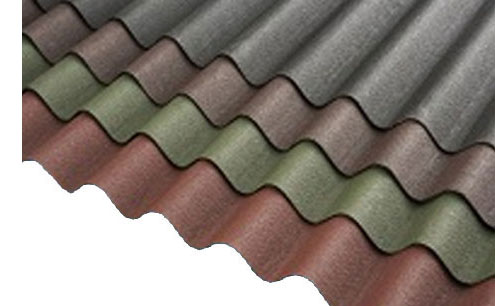
Bitumen roof sheets combine a lightweight structure with strength and durability. Many bitumen roofing sheets are available in the corrugated profile, meaning they offer excellent water runoff in extreme weather conditions. This in turn means your building is less likely to experience mould and rot from water damage, as the water is directed away from it. Bitumen in any profile is especially tough in harsh weather and is very unlikely to crack or warp. Bitumen is an opaque material, meaning it is ideal if you’re storing belongings such as wooden furniture, plastic items, or even animals and feed as it will protect from UV exposure and damage. It is also available in a wide range of colours to suit a variety of architectural styles. Agricultural buildings, garages, and outbuildings often use bitumen roof sheets.
Key takeaways:
- Lightweight but strong
- Popular in corrugated profile due to weather protection
- Resistant to cracking and warping
- Opaqueness means it protects from UV damage and fading
- Available in a variety of colours
- Versatile for both domestic and commercial applications
Metal – best roofing sheets for longevity
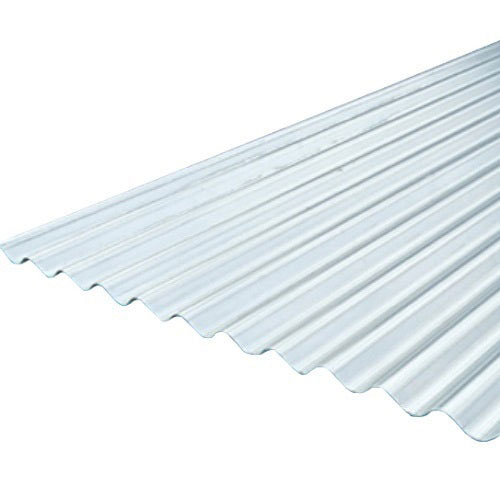
If longevity is key, metal roofing sheets are the best option, with a life expectancy of up to 40 years. They are both lightweight and cost-effective, and offer the best resistance to temperature change. Unlike other types of roofing materials, metal roofing sheets won’t rot. In fact, they’re extremely versatile and you can customise them with different finishes to improve appearance and reduce weather noise, making them a great choice for cold stores and garages.
Key takeaways:
- 40-year lifespan
- Will not rot
- Lightweight and budget-friendly
- Withstands temperature changes
- Can be galvanised/coated to prevent rust and corrosion
Polycarbonate – best roofing sheets for varying weather
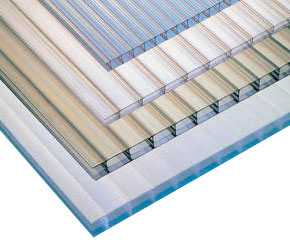
Polycarbonate roofing sheets are made to withstand extreme weather and resist temperature changes, making them perfect for conservatory and greenhouse roofs. You can also use polycarbonate sheeting in skylights if you need something less prone to breaking. You’ll find daylight will not be compromised, and some polycarbonate even offers UV protection, protecting your furniture from fading. Additionally, these types of roof sheets are lightweight but incredibly strong and last many years without being damaged or discoloured by the elements.
Key takeaways:
- Resistant to changes in temperature
- Can withstand varying weather conditions
- Alternative to glass in skylights
- Can offer UV protection
- Lightweight but durable
PVC – best roofing sheets for DIY projects
If you’re a seasoned DIYer, PVC roofing is definitely something you can install yourself. Carports and porches are often made from PVC as light can easily pass through it. It is lightweight and low cost, so is perfect for DIY projects including roof replacement on pergolas, lean-tos and carports. PVC roof sheets are resilient, fire-resistant, and easy to maintain, making them great for use in offices and modern home canopies.
Key takeaways:
- DIY-friendly
- Lightweight and easy to install
- Budget-friendly
- Ideal for domestic applications
- Can offer fire resistance
GRP – best roofing sheets for easy maintenance
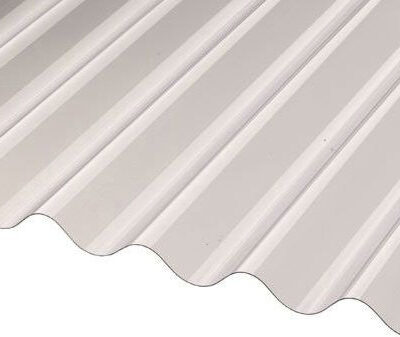
GRP roofing sheets can also be referred to as fibreglass roofing or glass-reinforced plastic. It has a similar appearance to glass and can be translucent, opaque or coloured, providing a variety of aesthetic options for your project. It’s a popular choice as it’s highly durable and easy to maintain, but its lifespan can be shorter than other materials on the market. However, it has excellent drainage properties and there is the option to apply a UV stabiliser, which provides protection from fading and colour changing.
Key takeaways:
- Comes in a variety of light transmission options
- Easy to maintain and clean
- Aids drainage, especially when in a corrugated profile
- Can have UV coating applied
Fibre cement – best roofing sheets for ventilation
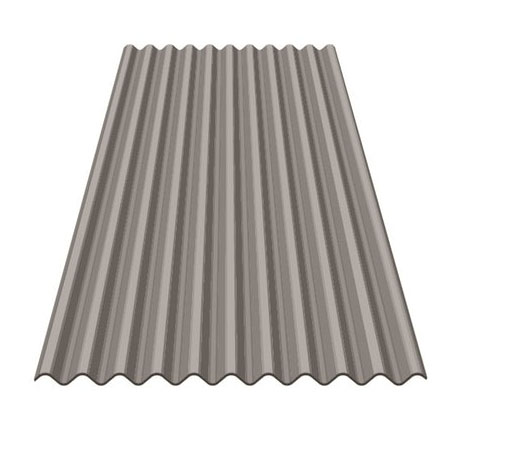
Fibre cement roof sheets, also known as fibre cement board or cement fibre roof sheets, are often used in agricultural buildings and warehouses. This is because fibre cement is resistant to both temperature changes and extreme weather, and it enhances ventilation levels in buildings. It’s also extremely durable and has a long life span of around 50 years. Additionally, fibre cement roof sheets are made from natural materials, making them sustainable. Their longevity also extends their sustainability, as there is less demand to replace these roof sheets once fitted.
Key takeaways:
- Made partly from renewable materials including wood pulp
- Weather resistant
- Aids ventilation
- Excellent for use on agricultural buildings and warehouses
- Up to 50-year lifespan
Final thoughts
By now, you should feel confident when it comes to selecting the correct material and profile of roof sheet for your project. Of course, there are still so many combinations, so if you have a query about anything not covered in this guide, please feel free to give us a call on 01752 692 760, and a member of our team will gladly help. We can even provide a free quote tailored to your project.

Was this guide useful?
Mentioned in this product guide:

Metal Roof Sheet (34/1000 Box Profile) Polyester Paint Coated 0.7mm Juniper Green
from
£24.53 Incl. VAT